
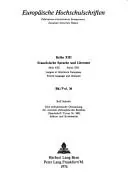
De consolatione philosophiae
FrançaisEnglish — translation in progress
- historique
- philosophie
- god
- happiness
- early works to 1800
Résumé
Ancinus Boethius (ca. 480-524 AD) came from a politically connected family. He was a Roman senator by the age of 25, eventually becoming a Consul, as was his father and eventually both of his sons. Although these roles were political, he…
Lire le résumé complet ↓Réduire le résumé ↑
Ancinus Boethius (ca. 480-524 AD) came from a politically connected family. He was a Roman senator by the age of 25, eventually becoming a Consul, as was his father and eventually both of his sons. Although these roles were political, he was primarily a philosopher who valued principle. Perhaps it was inevitable that he would fall out on the wrong side of a political issue. About 524, he was arrested for treason, stripped of all of his property and imprisoned in exile in Pavia, knowing that he would eventually be killed. He claimed that evidence against him was fabricated and he was innocent; there is no way to know now. While he was in prison, Boethius wrote this book. In this allegorical prose and verse conversation between himself and the character of Philosophy, the author looks clearly at the coincidences and vagaries of fortune, the meaning of happiness, the aspects of free will, and the roles of good and evil. He uses Philosophy's instruction to comfort and enlighten him, a philosopher to the end. In 524 or 525 AD, Boethius was tortured and bludgeoned to death. He died that day, but the wealth he left in Consolation of Philosophy is timeless. Rich in references to many classical scholars, this book was a staple of medieval Europe's study, and underpins later works by Dante and Chaucer. So why read an old book like this now? Life is hard, bad things happen, the veneer of civilization is thin. Instead of resorting to bitterness in his imprisonment, instead of retreating into the role of falsely accused victim, Boethius spent his condemned days writing what is perhaps the greatest work about the persistent nobility of the human spirit. This book is an inspiration that pays tribute to every wounded human who still gets up in the morning, puts on both socks and shoes and does his or her best to live, to heal, to survive, to thrive. Consolation of Philosophy opens a window of awe into the persistence and reach of the human spirit in a way that has everything to do with inspiration and nothing to do with religion. This should be required reading for every health care practitioner, every police officer, every attorney, every social worker, anyone whose work requires the recounting of suffering on a daily basis. Socrates said, "The unexamined life is not worth living." The corollary to that is: the examined life of a sentient human is not for the faint of heart. This book arms each sentient human with tools that allow the examined life for self and others.
Créateurs et interprètes
Vous aimerez aussi
- Même auteurDe consolatione philosophiae
- Genre prochePhysico-theology
- Genre procheTusculanae disputationes
- Genre procheThe Art of War
- Genre procheπολιτεία
- Genre procheDe rerum natura
- Genre procheLa Poetica
- Genre procheNicomachean Ethics
Avis et notes
Tu as vu ou découvert cette œuvre ? Note, critique et classe-la dans ta bibliothèque culturelle RaryLib.
Déjà des listes sur Letterboxd, Goodreads, TV Time ou AniList ?
Importe ton fichier, sans ressaisir tes œuvres. Gratuit.
Importer ma collection →