
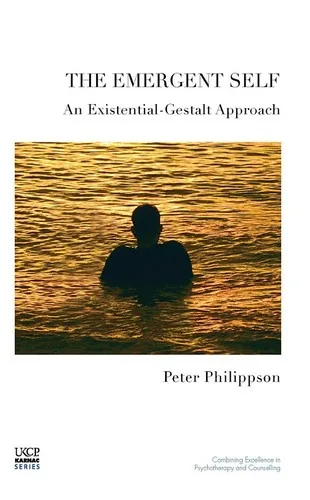
The emergent self
FrançaisEnglish
- philosophie
- existential psychotherapy
- gestalt therapy
- self psychology
- psychology
- existentialism
Résumé
This book tracks a particular understanding of self, philosophically, from research evidence and its implications for psychotherapy. At each step, the author includes the theory, the clinical implications of the theory, links to the…
Lire le résumé complet ↓Réduire le résumé ↑
This book tracks a particular understanding of self, philosophically, from research evidence and its implications for psychotherapy. At each step, the author includes the theory, the clinical implications of the theory, links to the philosophical outlook inherent in the theory, and finally a more extended case example.Philipsson takes the view that the continuing self is partly an illusion, partly a construct, and that we in fact have to work to stay the same in the face of all the different possibilities the world offers us. He believes that we do this for two reasons. First, continuity allows deeper contact: friendships, loving relationships with partners and families. Second, the predictable is less anxiety-producing, and that we avoid this existential anxiety by acting in a stereotyped way and avoiding some of the depths of contact. He argues that this dual nature of continuing self, in one context deepening contact and in another context avoiding contact, has an important place in the understanding of psychotherapy.
Vous aimerez aussi
- Genre procheExistential therapy
- Genre procheSaint Francis of Assisi
- Genre procheLa Chute
- Genre procheThe Kybalion
- Genre procheSein und Zeit
- Genre procheLa nausée
- Genre procheL'être et le néant
- Genre procheLe mythe de Sisyphe
Avis et notes
Tu as vu ou découvert cette œuvre ? Note, critique et classe-la dans ta bibliothèque culturelle RaryLib.
Déjà des listes sur Letterboxd, Goodreads, TV Time ou AniList ?
Importe ton fichier, sans ressaisir tes œuvres. Gratuit.
Importer ma collection →