
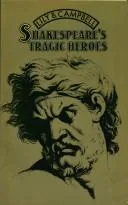
Shakespeare's tragic heroes
FrançaisEnglish
- drame
- historique
- philosophie
- characters
- emotions
- emotions in literature
Résumé
"Shakespeare's Tragic Heroes, Slaves of Passion" is a landmark study in Shakespearean scholarship that bridges the gap between literary analysis and the history of ideas. This work examines William Shakespeare's four greatest…
Lire le résumé complet ↓Réduire le résumé ↑
"Shakespeare's Tragic Heroes, Slaves of Passion" is a landmark study in Shakespearean scholarship that bridges the gap between literary analysis and the history of ideas. This work examines William Shakespeare's four greatest tragedies-"Hamlet", "Othello", "King Lear", and "Macbeth"-through the specific lens of Renaissance psychological theories. Lily Bess Campbell argues that Shakespeare's characters are not merely abstract figures but are deeply rooted in the medical and philosophical understandings of the Elizabethan era, particularly concerning the "passions" that govern human behavior. By exploring how grief, jealousy, wrath, and fear consume these iconic protagonists, Campbell illustrates how the heroes become "slaves of passion," leading to their inevitable moral and physical destruction. The book meticulously details the Elizabethan concept of the soul and the physiological effects of emotion, providing readers with a profound historical context for understanding the motivations and internal conflicts of Shakespeare's most complex creations. Essential for students of drama and literature, this work remains a vital contribution to the field of historical criticism, offering enduring insights into the moral architecture of the Shakespearean stage. This work has been selected by scholars as being culturally important, and is part of the knowledge base of civilization as we know it. This work was reproduced from the original artifact, and remains as true to the original work as possible. Therefore, you may see the original copyright references, library stamps (as most of these works have been housed in our most important libraries around the world), and other notations in the work. This work is in the public domain in the United States of America, and possibly other nations. Within the United States, you may freely copy and distribute this work, as no entity (individual or corporate) has a copyright on the body of the work. As a reproduction of a historical artifact, this work may contain missing or blurred pages, poor pictures, errant marks, etc. Scholars believe, and we concur, that this work is important enough to be preserved, reproduced, and made generally available to the public. We appreciate your support of the preservation process, and thank you for being an important part of keeping this knowledge alive and relevant.
Vous aimerez aussi
- Genre procheJenseits von Gut und Böse
- Genre procheWerke
- Genre procheHuman Society in Ethics and Politics
- Genre procheThe Picture of Dorian Gray
- Genre procheHamlet
- Genre procheDracula
- Genre procheKing Richard II
- Genre procheThe Merchant of Venice
Avis et notes
Tu as vu ou découvert cette œuvre ? Note, critique et classe-la dans ta bibliothèque culturelle RaryLib.
Déjà des listes sur Letterboxd, Goodreads, TV Time ou AniList ?
Importe ton fichier, sans ressaisir tes œuvres. Gratuit.
Importer ma collection →