
Résumé
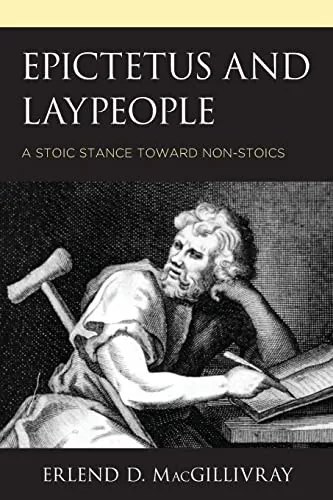
"Explores the understanding that ancient philosophers had towards the vast majority of people at the time, those who had no philosophical knowledge or adherence--laypeople. After exploring how philosophical identity was established in…
Lire le résumé complet ↓Réduire le résumé ↑
"Explores the understanding that ancient philosophers had towards the vast majority of people at the time, those who had no philosophical knowledge or adherence--laypeople. After exploring how philosophical identity was established in antiquity, this book examines the Stoic philosopher Epictetus, who reflected upon laypeople with remarkable frequency. MacGillivray shows that Epictetus maintained his stance that a small and distinguishable group of philosophically aware individuals existed, alongside his conviction that most of humanity can be inclined to act in accordance with virtuous principles by their dependence upon preconceptions, civic law, popular religion, exempla, and the adoption of primitive conditions, among other means. This book also highlights other Stoics and their commentators to show that the means of lay reform that MacGillivray explores were not just implicitly understood in antiquity, but reveal a well-developed system of thought in the school which has, until now, evaded the notice of modern scholars"--
Vous aimerez aussi
- Genre procheStoic Theory of Beauty
- Genre procheHellenistic philosophy of mind
- Genre procheStoicism
- Genre procheThe Routledge Handbook of the Stoic Tradition
- Genre procheStoics, Epicureans, and sceptics
- Genre procheMeditations
- Genre procheHow to Be a Stoic
- Genre procheRoman Stoicism (Routledge Revivals)
Avis et notes
Tu as vu ou découvert cette œuvre ? Note, critique et classe-la dans ta bibliothèque culturelle RaryLib.
Déjà des listes sur Letterboxd, Goodreads, TV Time ou AniList ?
Importe ton fichier, sans ressaisir tes œuvres. Gratuit.
Importer ma collection →